Answer first
What should a group verify before requesting this category?
Build the request around a classic formal transfer between hotel, ceremony and dinner. The 10-passenger number should be tested against a named manifest, not treated as proof that every advertised limousine has that many usable places for this trip. Record each rider, boarding point, final destination, mobility or assistance need and personal item. Then place formal garments, flowers and compact personal bags into the proposed seating and storage arrangement. If a provider cannot show how the people and belongings fit the assigned unit, reduce the working count or compare another category. This page uses body-style verification as its editorial lens because that decision changes the request more than a generic feature list.
The route needs the same discipline. For this example, the important access conditions are turning space, curb length and the passenger-door side at each property, while the timing problem is a traditional arrival planned around venue photography. Ask for current exterior and full-cabin images tied to the quoted unit, legal seating, dimensions, door and step information, storage, accessibility, working climate control and every must-have feature. Obtain property or event instructions for the date instead of assuming a passenger-car curb works for a commercial vehicle. Capacity language is a starting hypothesis, not a booking fact.
Party Bus In Houston presents this as an independent comparison guide, not an inventory statement. It does not establish ownership, availability, condition, legal capacity, amenities, accessibility, driver assignment, operating authority, insurance, access permission or price. Identify the company that will physically operate the trip, review applicable public records and put the exact unit, acceptable substitute, complete charges, cancellation rules and failure response in writing. The practical decision is whether the exact chassis appearance is contractual or merely illustrative.
Decision signals
Category facts with explicit limits
10
Advertised category number
A comparison label; verify legal and usable seating on the assigned unit.
1
Named operating carrier
Identify the entity physically performing the service before final booking.
5
Movement records
Manifest, objects, access, timing and return form the page-specific planning system.
2
Reunion landmarks
A primary and backup point make the return more resilient; this is planning guidance.
Proof before preference
Four checks that can change the vehicle decision
The category number is not unit proof
The 10-passenger label cannot establish the assigned vehicle’s legal capacity, usable layout or fit for formal garments, flowers and compact personal bags.
Source: TxDMV Number requirements ↗The operating entity matters
The legal carrier physically providing transportation may differ from the brand or marketplace collecting the request.
Source: TxDMV carrier lookup ↗Access can defeat capacity
The plan still fails when the assigned unit cannot satisfy turning space, curb length and the passenger-door side at each property.
Source: FMCSA passenger safety ↗Terms must cover disruption
Substitution and breakdown language should preserve the outcome, including a named acceptable substitute rather than an undefined similar vehicle.
Source: FMCSA Look Before You Book ↗People before capacity
Turn the 10-passenger label into an accountable manifest
Create one row for every traveler and one column for origin, destination, boarding group, phone contact, assistance, objects and return. This is especially important for a classic formal transfer between hotel, ceremony and dinner, because the people present at the first departure may not match the final movement. Set a counting method: a lead calls names, a second person checks the physical cabin and anyone leaving separately is recorded. The driver should not be expected to infer attendance from a crowd. A maximum number printed on a listing cannot describe comfortable spacing, legal seating on a specific unit or the effect of formal garments, flowers and compact personal bags.
Ask for the assigned seating diagram or a complete current cabin view. Test every occupied position and locate belongings without blocking an aisle, doorway, emergency equipment or passenger movement. Discuss steps, handrails, seating posture, climate and any accessibility requirement with the provider before deposit. If a rider needs extra boarding time, add it to the schedule rather than hiding it inside a drive-time estimate. The correct working capacity is the number that the actual vehicle, agreement and trip conditions support—not automatically 10.
- ✓Name every rider and return
- ✓List every bulky object
- ✓Verify legal seating on the assigned unit
- ✓Add real boarding assistance time
- ✓Use a documented count procedure
Geometry and permission
Verify turning space, curb length and the passenger-door side at each property before accepting the category
Write every address as an operating instruction: approach, authorized entrance, passenger door side, unload location, dwell limit, stage, pedestrian path and exit. The decisive conditions for this plan are turning space, curb length and the passenger-door side at each property. Request the assigned vehicle’s length, height, width and turning needs, then ask each property, venue or event whether that unit may use the proposed path on the actual date. An address pin, old photograph or passenger-car navigation route is not permission. Record the name or source of each access instruction and the date it was checked.
Give riders a primary landmark and a backup that can be understood without watching a moving map. Measure the walk, lighting, surface, weather exposure and accessibility from the vehicle to the door. If the preferred curb fails, a named acceptable substitute rather than an undefined similar vehicle. Put that alternative into passenger communications before departure. A category that looks ideal inside can be the wrong answer when the unit cannot make the turn, clear the roof, wait legally or place the passenger door on a safe side of the street.
- ✓Confirm every commercial entrance
- ✓Obtain assigned-unit dimensions
- ✓Record dwell and staging rules
- ✓Measure the passenger walk
- ✓Publish one backup curb

Movement, not mileage
Protect the trip from a traditional arrival planned around venue photography
Separate fixed anchors from preferences. A ticketed entrance, ceremony, flight, meeting or venue cutoff is different from a requested photo or optional stop. Work backward from the first hard arrival and include passenger assembly, loading, mobility assistance, baggage placement, vehicle access, unloading, walking and security. For this body-style verification plan, the controlling timing condition is a traditional arrival planned around venue photography. Label one stop expendable and decide who may remove it when the trip falls behind.
Ask each bidder to price and schedule the same movement. Provide full addresses, dates, passenger counts, objects, pickup windows, hard arrivals, dwell, stops, staging and every return. Clarify whether the service clock includes positioning, waiting, deadhead or a remote stage. Traffic is not the only uncertainty: one missing rider, an occupied curb, long baggage delivery or a venue gate can consume the buffer. Give one organizer authority to approve overtime or the prewritten shorter route, and require material changes to be acknowledged in writing.
- ✓Mark hard and preferred times
- ✓Include loading and walking
- ✓Name one removable stop
- ✓Give all bidders identical inputs
- ✓Assign overtime authority
Capacity is only the first filter
Send the manifest, objects, access notes and must-have terms before accepting a category match.
Contract the actual service
Identify the operator, unit and terms behind this limousine
The website or broker receiving a request may not be the company operating the vehicle. Ask for the legal carrier name that will physically perform the trip, then use the applicable TxDMV or federal record as one due-diligence input. Match the agreement, vehicle, driver communication and insurance or authority documents to that operating entity. Public records are not guarantees and this page does not interpret a carrier’s current compliance; they help the buyer ask a more precise question than “Are you licensed?”
Attach the assigned-unit description to the agreement: current exterior and interior evidence, legal capacity, body or color if appearance matters, layout, storage, steps, accessibility and requested working features. Define acceptable substitution by outcome rather than “similar vehicle.” State minimum seating, object capacity, access dimensions and required features, plus notice, approval and remedy. Obtain the full price structure: minimums, mileage, tolls, parking, permits, waiting, overtime, service charges, gratuity, cleaning, damage, deposits, cancellation and rescheduling.
- ✓Name the physical operating carrier
- ✓Check applicable public records
- ✓Attach current assigned-unit evidence
- ✓Define acceptable substitution
- ✓Reconcile every possible charge

Finish the service
Design the return and a named acceptable substitute rather than an undefined similar vehicle
Many transportation plans are detailed until the main event begins and vague afterward. Write the final movement with the same precision as the arrival. State who returns, whether the group splits, the meeting landmark, backup location, boarding window, cutoff and each final address. For a classic formal transfer between hotel, ceremony and dinner, the return should account for fatigue, noise, crowd release, weak service and people choosing to leave separately. One master checker records those changes so a missing rider is not mistaken for someone still inside the venue.
The disruption plan for this category must include a named acceptable substitute rather than an undefined similar vehicle. Add late-vehicle contact steps, passenger shelter, property notifications, breakdown response, replacement capacity, accessibility, required belongings transfer and the person authorized to accept a different plan. Keep emergency communication separate from a social group chat. Finally, compare the plan against its purpose: whether the exact chassis appearance is contractual or merely illustrative. If another vehicle configuration protects access, people, schedule and recovery better, choose it even when this page’s category is more visually appealing.
- ✓Assign every return rider
- ✓Publish two meeting landmarks
- ✓Record separate departures
- ✓Define replacement outcomes
- ✓Choose by trip purpose
Page-specific decision brief
Apply the body-style verification test to this exact movement
For a classic formal transfer between hotel, ceremony and dinner, the organizer should describe success as whether the exact chassis appearance is contractual or merely illustrative. That wording forces the quote comparison to stay tied to the real purpose. A response that emphasizes decorative equipment but never resolves turning space, curb length and the passenger-door side at each property has not answered the request. A response that repeats the 10-passenger label but cannot place formal garments, flowers and compact personal bags has not established fit. The strongest proposal will connect the named people, their belongings, the assigned vehicle and each authorized curb in one traceable operating story.
This movement has a distinctive schedule pressure: a traditional arrival planned around venue photography. Convert that pressure into a decision table with a protected anchor, planned buffer, latest acceptable boarding time, removable activity and person authorized to shorten the route. Then pair it with the recovery outcome—a named acceptable substitute rather than an undefined similar vehicle. The provider response should say who receives notice, how passengers remain safe, what replacement result is acceptable and which charges or remedies apply. Those details make this body-style verification analysis meaningfully different from a generic capacity page.
Before accepting the 10 Passenger Lincoln-Style Limousine, read the proposal aloud without its photos. It should still explain a classic formal transfer between hotel, ceremony and dinner; it should still resolve turning space, curb length and the passenger-door side at each property; it should still account for formal garments, flowers and compact personal bags; and it should still protect the group from a traditional arrival planned around venue photography. If those sentences are missing, the category has not earned the decision. If they are present, compare the same evidence against a smaller unit, larger unit or split movement. Select the configuration that best delivers whether the exact chassis appearance is contractual or merely illustrative, then attach the chosen facts to the final agreement.
- ✓State the trip-specific success test
- ✓Reject unanswered access questions
- ✓Convert schedule pressure into rules
- ✓Define the recovery outcome
- ✓Compare at least one alternative
Appearance-specific evidence
Translate “Lincoln-style” into contract language that can be inspected
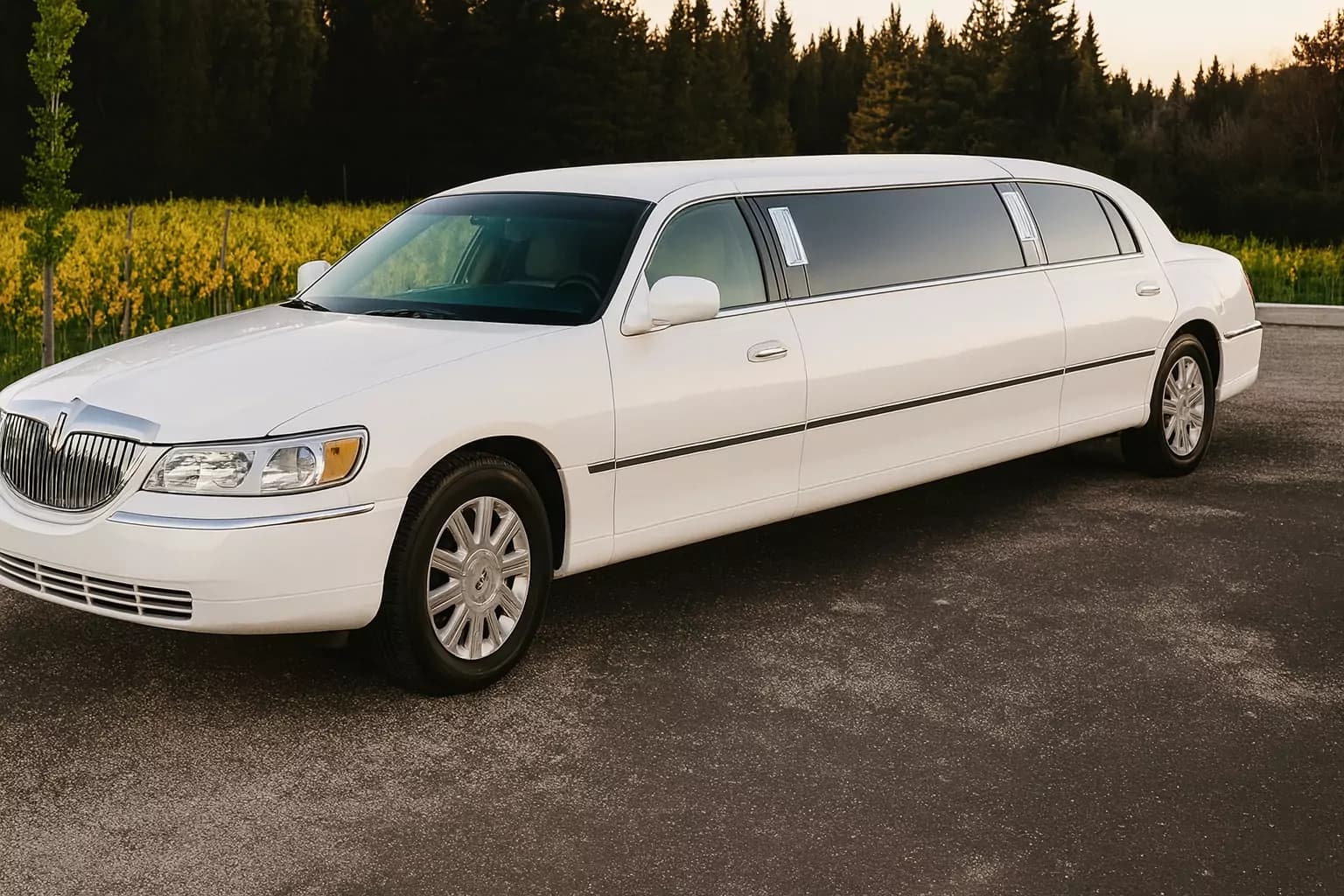
The phrase “Lincoln-style” can communicate a visual preference, but it is not precise enough to identify the vehicle that will arrive. Ask the provider to state the actual make, model, model year or generation if known, exterior color, stretch configuration and distinguishing body details for the assigned unit. Request current dated photographs from the front, both sides, rear and full cabin. The goal is not to turn a celebration planner into an automotive historian. It is to give both parties the same reference when a classic silhouette, grille, window line or paint finish is important to the event design.
Put appearance requirements into three groups. Required characteristics are the details without which the booking no longer serves its purpose. Preferred characteristics improve the result but may be traded for another benefit. Unacceptable substitutions are body shapes, colors or conditions the buyer will not approve. This hierarchy is more useful than saying “same or similar,” because similarity is subjective. It also lets the provider explain availability before a deposit instead of discovering a disagreement at pickup. Attach the agreed photographs or a written vehicle identifier to the confirmation and state how much notice is required for a proposed change.
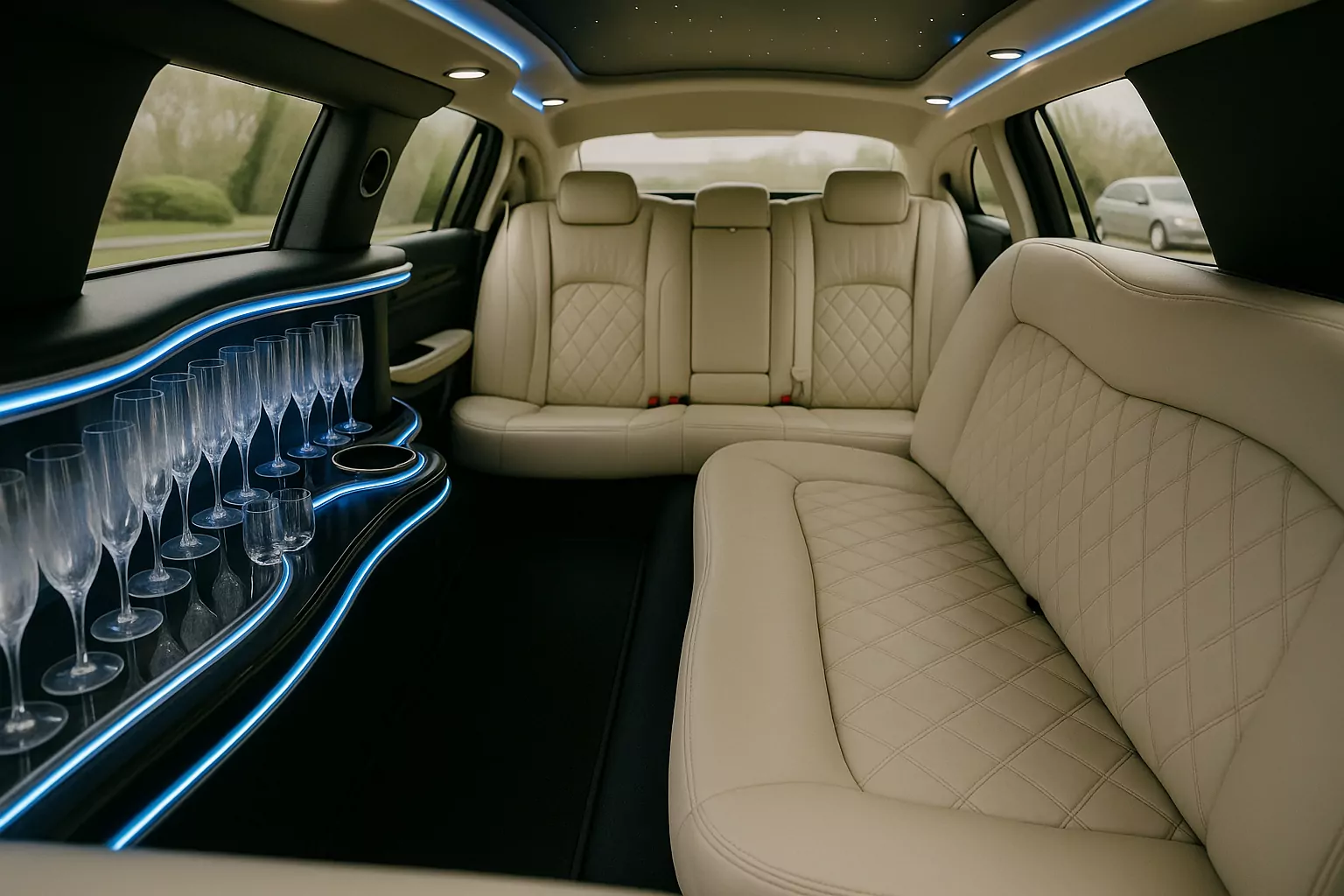
Inspect practicality independently from style. Confirm the passenger-door location, step depth, handholds, headroom, seating orientation, climate operation, usable storage and space required for formal garments or flowers. Measure the longest assigned vehicle against every turn, driveway, hotel lane and portrait curb. A recognizable exterior does not solve a difficult transfer, and an inaccessible photo position can erase the visual reason for choosing the category. If the preferred unit must stage remotely, plan the walking path, weather protection and exact place where photography can occur without blocking traffic or placing passengers in an unsafe loading position.
Write the substitution remedy before it is needed. The provider should know who can approve a different unit, which characteristics must remain, whether two vehicles are acceptable, how riders and belongings would be divided and what commercial adjustment applies when the approved appearance cannot be supplied. The organizer should know the latest time for a substitution notice and the fastest way to respond. That framework distinguishes this page from a general ten-passenger limousine comparison: here, visual identity is a defined service outcome, but it remains subordinate to lawful capacity, safe access, operating-carrier verification and a complete return.
- ✓State actual make and body details
- ✓Attach current multi-angle photos
- ✓Separate required from preferred appearance
- ✓Test the long body at every curb
- ✓Define substitution approval and remedy
Trip-specific failure rehearsal
Rehearse the weak points in a classic formal transfer between hotel, ceremony and dinner
The first useful record is a tabletop walk-through of a classic formal transfer between hotel, ceremony and dinner. Put a card on the table for each passenger cluster, another for formal garments, flowers and compact personal bags, and a separate marker for every condition within turning space, curb length and the passenger-door side at each property. Move those cards through boarding, travel, unloading, the main activity and the return. When a card has no seat, storage position, responsible person or authorized curb, the proposed 10 Passenger Lincoln-Style Limousine is not ready for confirmation. This simple rehearsal exposes operational gaps that a capacity filter and attractive cabin photograph cannot show.
Before discussing vehicles, write down the moment created by a traditional arrival planned around venue photography. Ask what the organizer sees, what passengers are told, which property is contacted and what the operating carrier is expected to do. Apply the written recovery outcome—a named acceptable substitute rather than an undefined similar vehicle—without inventing new vehicles, permission or time. If the recovery only works because someone assumes free overtime, an unapproved curb or instant replacement, revise the agreement. The response should name decision authority, notification order, passenger shelter, replacement result, belongings transfer and any cost consequence.
Treat the controlling input as a competing configuration for the same movement. Keep a classic formal transfer between hotel, ceremony and dinner, preserve formal garments, flowers and compact personal bags, enforce turning space, curb length and the passenger-door side at each property, and hold the alternative to the same timing and carrier-verification standard. A smaller unit may improve curb access but require coordinated manifests. A larger unit may create spare seating yet worsen geometry. A split plan may improve return flexibility while adding drivers and communication. The comparison is finished only when it answers whether the exact chassis appearance is contractual or merely illustrative; vehicle count by itself is neither success nor failure.
Begin with one final handoff note written in language the actual riders can use. It names the body-style verification purpose, exact first landmark, backup landmark, boarding window, object limits, group leads, missed-departure rule and final destinations. It also explains a named acceptable substitute rather than an undefined similar vehicle without legal or technical jargon. Send that note after the assigned unit and operating entity are confirmed, then update it when a material fact changes. A page-specific passenger brief turns the planning analysis into an operating asset instead of leaving it as search content.
- ✓Move people and objects through the route
- ✓Simulate the controlling delay
- ✓Test the written recovery without assumptions
- ✓Compare a different configuration fairly
- ✓Issue one rider-ready handoff note
Decision examples
Three ways this category can succeed—or fail
Preferred movement
Movement: a classic formal transfer between hotel, ceremony and dinner
Plan: Use the body-style verification checklist and one accountable manifest.
Watch: a traditional arrival planned around venue photography
Access revision
Movement: a classic formal transfer between hotel, ceremony and dinner with a remote verified transfer point
Plan: Apply a named acceptable substitute rather than an undefined similar vehicle.
Watch: turning space, curb length and the passenger-door side at each property
Alternative category
Movement: a classic formal transfer between hotel, ceremony and dinner using a smaller, larger or split configuration
Plan: Compare the same people, objects, times and returns.
Watch: whether the exact chassis appearance is contractual or merely illustrative
One-question planning poll
What controls your 10 Passenger Lincoln-Style Limousine comparison?
Browser-only planning prompt. Responses are not collected, published or represented as research.
Choose the issue you want the next planning tool to solve.
Page-specific planning tool
Body-Style Verification worksheet
Turn the 10 Passenger Lincoln-Style Limousine category into a comparable request for a classic formal transfer between hotel, ceremony and dinner.
- 1Manifest: Name all riders, needs, boarding points and returns; do not assume 10 usable places.
- 2Objects: Place formal garments, flowers and compact personal bags in verified storage without blocking safe movement.
- 3Access: Document turning space, curb length and the passenger-door side at each property, assigned-unit dimensions, stages and walking paths.
- 4Timing: Protect the trip from a traditional arrival planned around venue photography; mark one removable stop.
- 5Recovery: Contract a named acceptable substitute rather than an undefined similar vehicle, replacement outcomes and decision authority.
This category remains a candidate only when the evidence supports whether the exact chassis appearance is contractual or merely illustrative.
29-second briefing
10 Passenger Lincoln-Style Limousine decision in 29 seconds
A concise briefing on body-style verification, assigned-unit proof, access, terms and return.
Read the script
Considering a 10 Passenger Lincoln-Style Limousine? Start with body-style verification, not the picture. Name every rider, place formal garments, flowers and compact personal bags, and verify legal seating on the assigned unit. Check turning space, curb length and the passenger-door side at each property, then schedule around a traditional arrival planned around venue photography. Identify the physical operating carrier, current unit, complete price, substitution and breakdown terms. Publish the final return, backup landmark and passenger cutoff. The deciding question is whether the exact chassis appearance is contractual or merely illustrative. Availability, amenities and price still require written confirmation.
Useful context
Facts, not amenity promises
Public-record boundary
Carrier databases support due diligence but do not guarantee future service, condition or performance.
Operator identity
Ask which legal entity will physically provide the vehicle and driver, especially when a seller arranges service.
Interstate distinction
A trip crossing state lines can involve federal authority questions in addition to Texas requirements.
Direct answers
10 Passenger Lincoln-Style Limousine questions
Does this page prove a 10 Passenger Lincoln-Style Limousine is available?+
No. It is a category guide. The actual unit, operator, date, capacity, condition, amenities, accessibility and price require confirmation.
Will exactly 10 passengers fit comfortably?+
Not necessarily. Verify legal seating and place formal garments, flowers and compact personal bags on the assigned layout before choosing a working count.
What evidence should be attached to the quote?+
Current assigned-unit images, legal carrier identity, capacity and layout, required features, full route, complete charges, substitution and failure terms.
How should the route be tested?+
Confirm turning space, curb length and the passenger-door side at each property for the date, then add loading, walking, staging and a traditional arrival planned around venue photography to the schedule.
What should happen if the plan changes?+
The agreement and passenger brief should cover a named acceptable substitute rather than an undefined similar vehicle, decision authority, notice, costs and the final return.
Verification ledger
Primary sources and checks
- TxDMV Number requirements ↗
Texas registration context; verify the legal operating entity for the trip.
- TxDMV carrier lookup ↗
Public lookup for the operating carrier rather than only a seller or website name.
- TxDMV motor-carrier guide ↗
Intrastate and interstate authority context.
- FMCSA SAFER Company Snapshot ↗
Federal public-record check when interstate authority is relevant.
- FMCSA passenger safety ↗
Passenger-carrier safety and consumer verification guidance.
- FMCSA Look Before You Book ↗
Operating-carrier, authority and safety-record questions for charter service.